
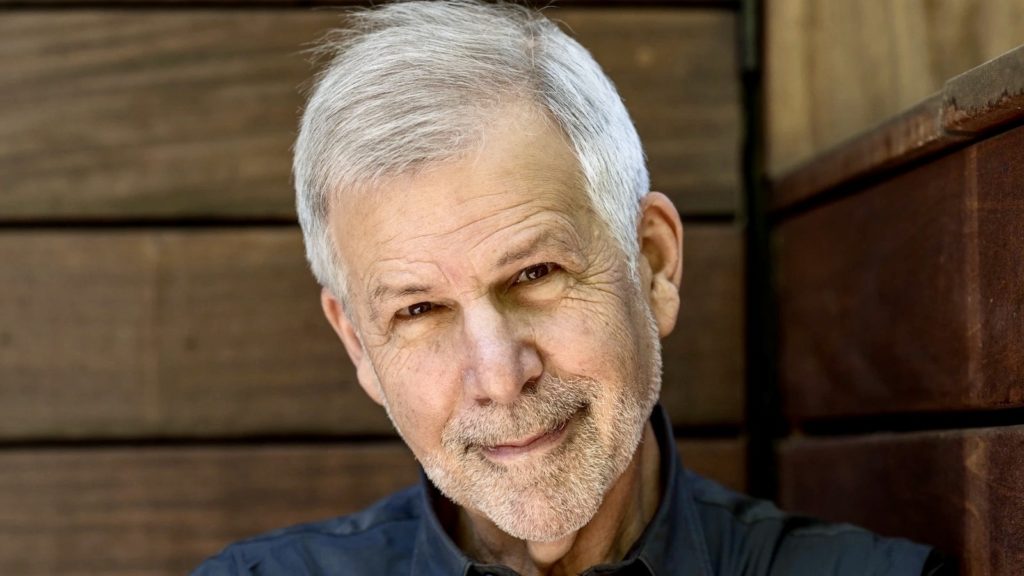
Here is the Georgetown historian at Dissent:
Perhaps the only positive consequence of the victory of an utterly despicable nominee and his down-ballot faithful is that progressives inside and outside the Democratic Party are groping their way toward a common solution: revive an aggressive populism of the left. Since the Great Recession, as authoritarian populists on the right gained strength across Europe, social democrats posed no coherent alternative and won only, as in the United Kingdom, when their opponents proved to be wretched failures at governing. Both across the Atlantic and in the United States, the left and center-left kept losing native-born voters without a college education who view the current and future economy as a craps game rigged against them.
We now have a chance to win the approval and votes of ordinary Americans who believe their nation is on the wrong track yet are not rushing to get aboard the Trump train, whose policies will largely benefit corporations and are fueled by vitriol and grievance of the most odious kind. But it will take a lot more than messaging about creating an “opportunity economy”—that centerpiece of Kamala Harris’s campaign that did nothing at all to persuade working people to vote for her.
Here are five modest suggestions for how to stoke the populist revival we so urgently need:
Read the rest here.
I agree with Michael Kazin, especially what he says here:
Fifth, and most controversially, progressives should give up their cherished notion that “people of color” has any electoral meaning. The idea that one can rely on racial solidarity to win the votes of a Black professor at an elite college, a domestic worker from El Salvador, and a computer programmer with family in Mumbai has always been based largely on hope. But the fact that Harris won just 53 percent of Latinos, a group that itself has long been divided by national origin, but 86 percent of Black voters proves that appealing to the “POC” vote is a foolish strategy. Racial and ethnic identities continue to matter, of course. But appeals to them will not produce a majority at the polls.
But I would also expand on Kazin’s thesis. The Democrats lost this election not only because they failed to attract working-class voters and others suffering economically. They lost this election because they did not seek any common ground with evangelicals. Granted, there are many evangelicals who would never vote for a Democratic candidate or who believe Trump is anointed by God in some way. But there are also a lot of conservative evangelicals who were disgusted with Trump, did not want to vote for him, and, as I argued here, were looking for Harris to give them a reason to vote her. As I recently told the Associated Press, Harris did not offer much on this front. Yes, she tried to run her campaign to the center, but not on the issues that conservative evangelicals care about most right now: abortion and gender identity.
And, to bring two elements you’ve stressed here together, there’s an intersectionality aspect to the failure to appeal to “evangelicals” and the erosion among “people of color.” We need to stop assuming Blacks and Latinos are only voting on economic dissatisfaction, and recognize a huge swath of them share much of the evangelical worldview when it comes to certain values.
Yes. Yes. Yes. I was explaining to someone today that these two things–economic insecurity and evangelical (and Catholic) worldview–are overlayed in ways we may never figure out.