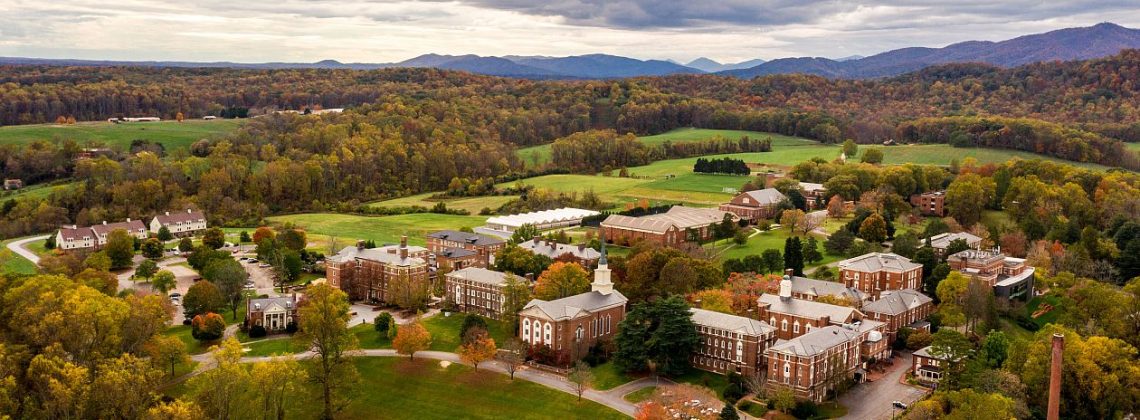
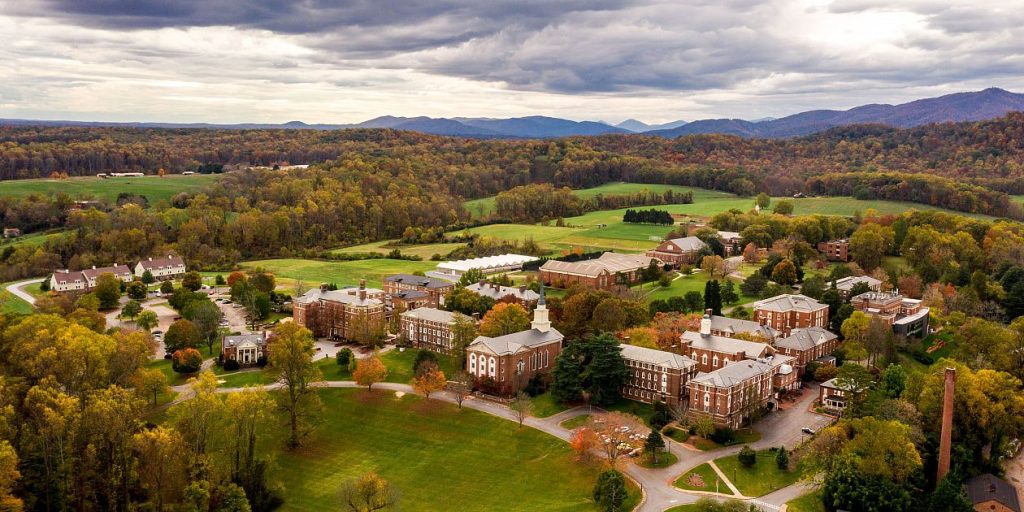
Does a women’s college stop being a women’s college if it admits transgender students? Sweet Briar College was recently faced with this question and it answered “yes.” Sweet Briar has decided to maintain its mission as a woman’s college by barring transgender students from admission. But there is another interesting angle to this story. It has to do with how to interpret the will of the college founder.
Here is a taste of Josh Moody’s piece at Inside Higher Ed:
But key to the new admissions policy is how Sweet Briar views its own founding documents. The new transgender policy stems from the Board of Directors’ interpretation of the founder’s will, which emphasizes that the 123-year old college was established for the education of “girls and young women.” In a statement to the media, college officials noted that “political and other influences” have called “the meaning of the term ‘woman’ into question,” but the board “understands the term [women] in its historic and traditional way consistent with the intentions of our founder.”
In their email to the campus community, Sweet Briar leaders reiterated that the “girls and young women” phrase “must be interpreted as it was understood at the time the Will was written.”
Sweet Briar’s effort to honor the intent of its founders has led it to establish some of the most restrictive gender-based admissions policies among the 30 women’s colleges in the U.S.
Sweet Briar was founded in 1901 after the death of Indiana Fletcher Williams, who wrote in her will that the Sweet Briar Plantation she inherited from her father should go toward the creation of a women’s institute to honor the memory of her daughter Daisy Williams, who died at 16.
In accordance with Virginia law, the General Assembly codified the will, which established the nonprofit corporation that would carry out the dictates of Williams’s trust.
Those documents are the reason Sweet Briar remains open today, even after a prior board and president tried to shut it down in 2015 due to “insurmountable financial challenges.” But alumnae and others sued, arguing that college officials had no right to sell the property bequeathed in Williams’s will. After much legal wrangling—which culminated in the case reaching the Virginia Supreme Court—the alumnae prevailed, giving new life to Sweet Briar despite the mass exodus of students put off by the attempted closure. A whirlwind fundraising and recruiting effort helped to resuscitate the small college.
Now the same documents that kept Sweet Briar open continue to shape its future.
“As the founding document, the language of the will is the starting point for the college’s leadership in making decisions about the college and its mission,” Sweet Briar president Mary Pope Hutson told Inside Higher Ed. “In that document, it says the will imposes the requirement that the college be a place of learning for girls and young women.”
It seems like “originalism” can, at times, cut both ways.
Read the entire piece here.
It will be interesting to see if Bostock–the 2020 SCOTUS decision authored by Trump appointee Justice Gorsuch, that ruled that Title VII’s use of “sex” should be understood in its current meaning, not that prevelant at the time–will be brought to bear on this in any way.