
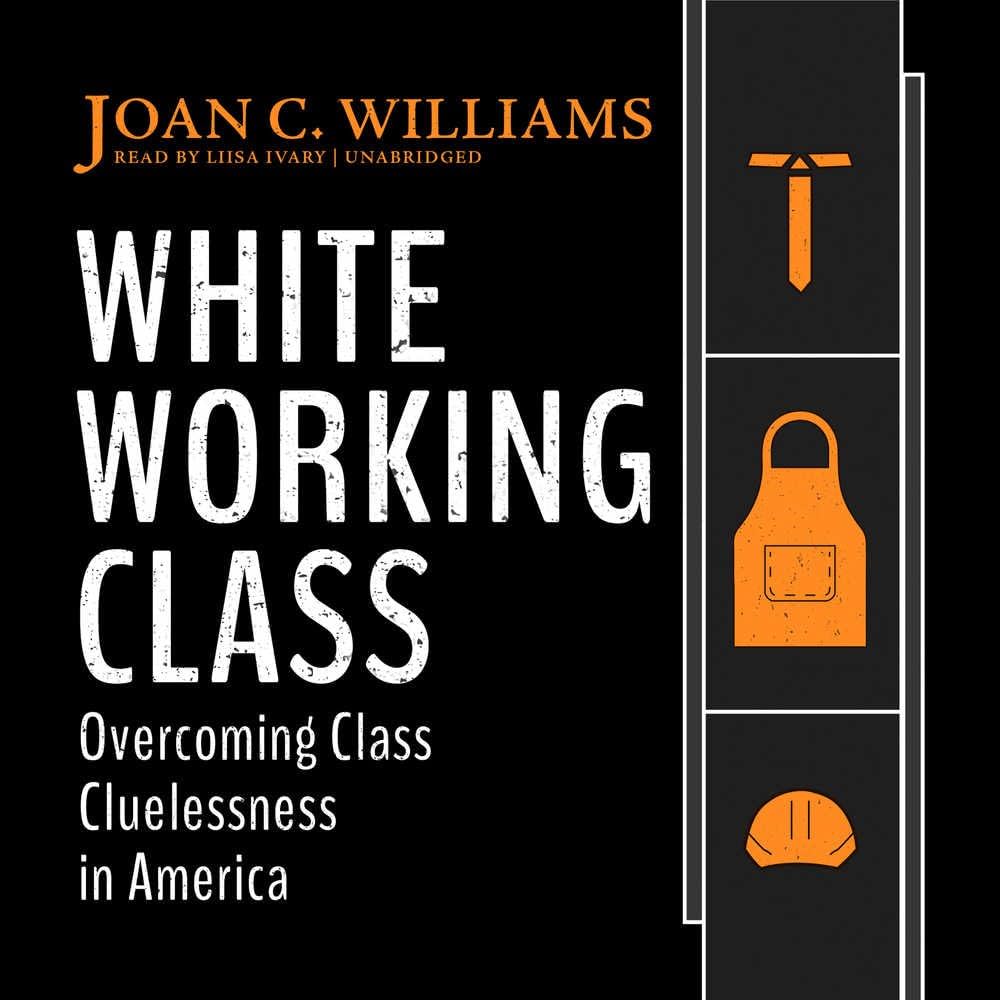
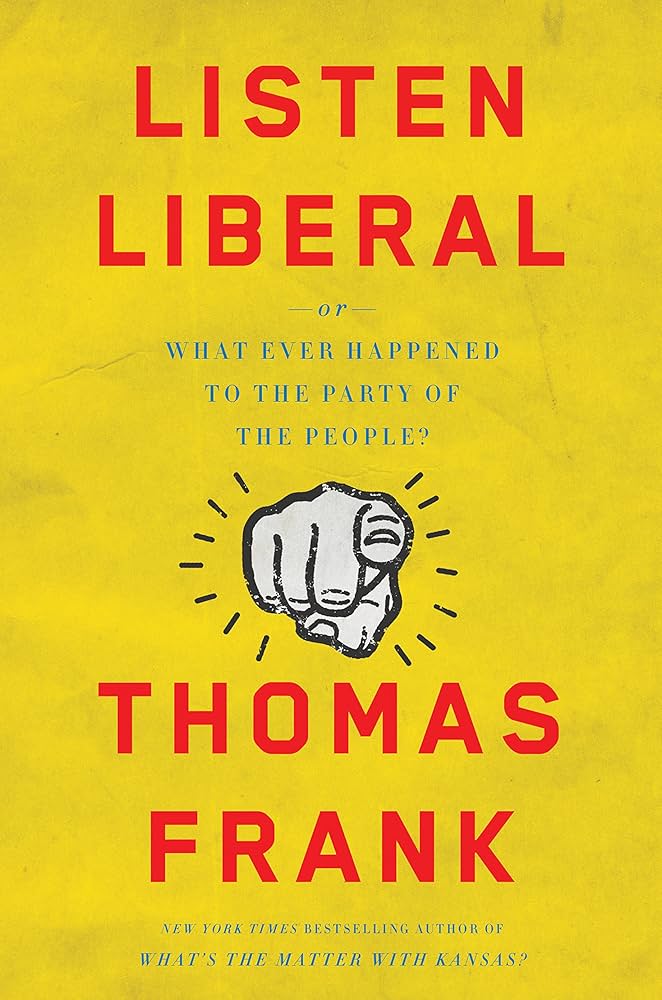
Over at Jacobin, Edward Engelen interviews Joan C. Williams (White Working Class: Overcoming Class Cluelessness in America) and Thomas Frank (What’s the Matter with Kansas and Listen Liberal) about the working class and the 2024 election.
Here is a taste:
For both Frank and Williams, this all feels like Groundhog Day. Some months before Trump won his first presidency in November 2016, Frank had published a no-holds-barred philippic against the Democratic Party leadership titled Listen, Liberal: Or, What Ever Happened to the Party of the People? The story Frank told in that book was one of a party led astray by the influx of postmaterialist academics in the late 1960s and early ’70s who agreed on one thing: the material emancipation of the working class had been accomplished, so now the party had to move to a new postmaterialist political frontier. From that moment onward, the economy became the reserve of Ivy League–trained economists and drifted out of political sight, while cultural issues became the litmus test of progressiveness.
For Williams, a feminist legal scholar based in California, Trump’s 2016 victory was a wake-up call. As the polling results came in, she retreated to her study to write an essay critiquing Democratic Party leadership for its dismissive attitude toward non-college-educated working-class voters. Drawing on personal experience, Williams illustrated the humiliating effects of elite condescension. The essay, published on the Harvard Business Review website, became one of the site’s most-read and most-commented-on pieces. A year later, Williams expanded it into the acclaimed book White Working Class.
Eight years on, for both writers, the question is not why Trump won but why the Democrats lost. Then as now, the explanation lies in the chasm of lifestyles, fears, and expectations between elites and the working class. Where Frank emphasized the changing of the guard within the Democratic Party and the trahison des clercs he described in Listen, Liberal, Williams focused on the microsociological effects of working-class wounded pride, shame, and anger.
Both have largely stayed out of the public limelight during the Biden years. Frank has dedicated himself to a new book project investigating the postwar history of creativity, while Williams has written Outclassed: How the Left Lost the Working Class and How to Win Them Back, due in May 2025. In the interview below, both provide trenchant insights on Trump’s unexpectedly robust election victory.
Ewald Engelen:
Do you feel that your earlier position has been vindicated? And what has changed since 2016?
Thomas Frank:
The answer to the first question is obviously yes. I went to the Republican convention and heard J. D. Vance present his stump speech. It was like he was reading my mind. They’re playing exactly the same bait-and-switch game they’ve been playing for forty years — talking working-class themes but doing rich people things — and they’ve become so much better at it now.
The Republicans, the Trump people, put together a much better platform than they used to have. Each rally was like a focus group. Trump would try out sound bites and talking points and simply pick what resonated — not organized by technocrats with fancy PhDs but tried out on real people, with real emotions. This is not to let them off the hook. I think Donald Trump is uniquely dangerous and foolish.
At the same time, there is some nuance. This time around, a small number of people in the Democratic Party understood what I had been saying. Joe Biden did make steps in the right direction, tiny ones, but steps nevertheless. His outreach to organized labor, his appointment of Lina Khan as antitrust czar — it’s not enough, and it’s just the beginning, but I’ve been calling for that type of thing since forever and was overjoyed that he did it. And then he lost his compos mentis: a tragedy of Shakespearean proportions of which the last has not yet been said. If you went to the Democratic convention, which I did, it was palpable that the party clearly sensed danger this time and did outreach to organized labor, at least.
Joan C. Williams
Things haven’t improved, I’m afraid. In 2016, it was only Trump and Brexit. Now there’s this transnational movement. We have to figure out what’s driving the success of the far right.
As far as I’m concerned, that’s the deep conflict between the Brahmin left and the working class. The US election was a good example. The Left now uses language and prioritizes issues in ways that, without truly understanding it, send the signal that its audience consists only of people with college degrees — as if the rest don’t matter.
Meanwhile, the far right does talk about economic issues. They’re blaming the wrong groups for economic problems, in my opinion. But at least they’re directly addressing economic concerns that are very pressing and real, and they do so with a blue-collar style and aesthetic that has profound cultural appeal. The Left unconsciously uses an aesthetic that comes directly out of the lives of the more privileged.
Take the Kamala Harris campaign. She did a lot of things right, but ultimately the two issues she focused on were democracy and abortion, while polls indicated that the economy and immigration were what mattered. To serve up democratic norms as your main campaign topic when people have been feeling vulnerable economically for four decades and don’t think anybody has delivered for them or talked about their issues — that’s missing the point.
Abortion is super important to me, but if you look at voting crosstabs in the United States, support for abortion rights is more heavily favored by college-educated voters than noncollege voters of every single racial group. It reflects what Arlie Russell Hochschild would call the “feeling rules” of the elite: among the Brahmin left, you feel very deeply about the oppression of LGBTQ people, people of color, immigrants, and perhaps women, which are all good things. But for the working class, you don’t feel anything at all. It’s an expression of contempt: “They’re idiots. They voted for Trump.” Thinking and behaving this way just strengthens the far right.
Read the the entire interview here.
We need to have an uncomfortable conversation about America
OPINION: What if all the pundits, exit polls and election takes are wrong? What if the truth is even more uncomfortable?
Michael Harriot
Nov 22, 2024
https://thegrio.com/2024/11/22/we-need-to-have-an-uncomfortable-conversation-about-america/