Here is Shaun Assael at Politico:
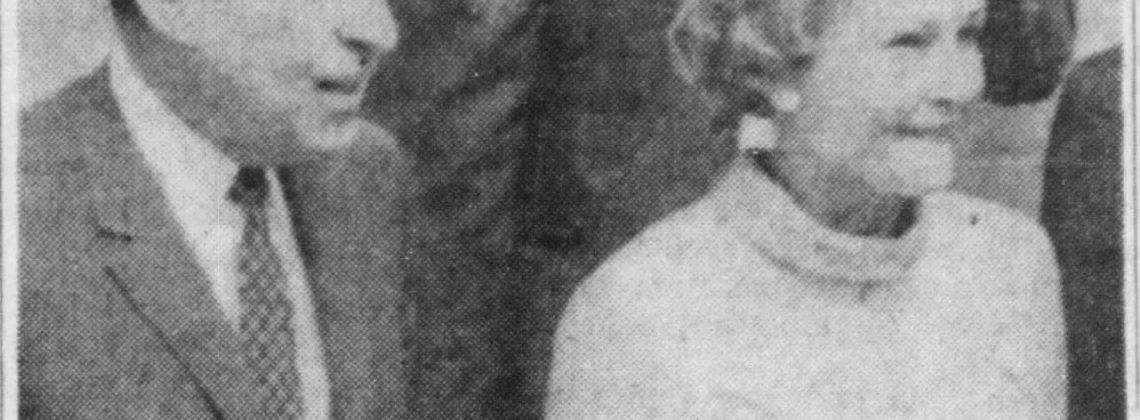
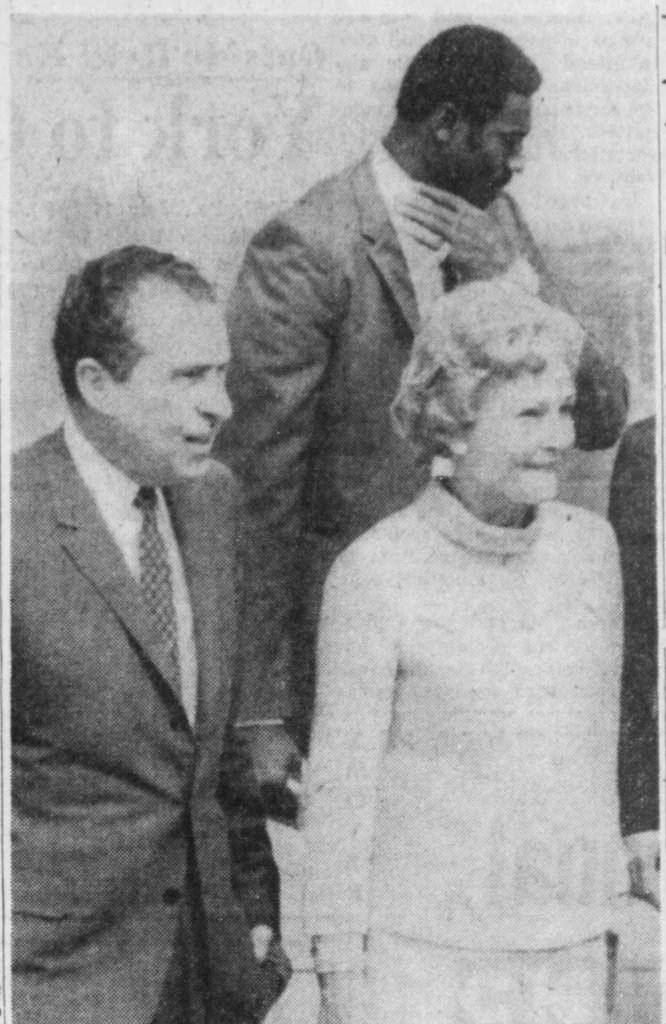
Wilt Chamberlain, the biggest basketball star in the world, folded his long legs into the taxi and climbed beside Richard Nixon.
It was April 9, 1968, and the two had just attended Martin Luther King Jr.’s funeral at Ebenezer Baptist Church in Atlanta. A procession they’d joined started following King’s casket to its burial site at Morehouse College. Nixon, the Republican candidate for president, was hoping to make a quick exit.
When an aide spotted the taxi, he told Nixon to turn right at the corner where it sat idling and let the marchers continue without him. Chamberlain, who was beside the former vice president, looked at the Oldsmobile as if his own prayer had been answered. “Can I get a ride with you?” he asked.
A minute later, the taxi driver looked in his rearview mirror in disbelief. That couldn’t possibly be Richard Nixon and Wilt Chamberlain getting into his back seat.
As the cab started off to the airport, one of the most unlikely alliances in GOP politics was about to take shape. Nixon needed help wooing Black voters to the GOP, and Chamberlain, the perennial all-star, was eager to make his mark in politics. Soon, Chamberlain was being announced as an adviser to the campaign on “community relations.” By the time the Republican National Convention hit Miami that August, the NBA’s MVP had become the highest-profile Black surrogate in Nixon’s campaign.
Chamberlain’s role at the convention was specific: to attract minority voters by endorsing an experiment in economic separatism called Black Capitalism. Nixon hoped it would be seen as an answer for the violence that was gripping America’s cities. Instead, the GOP cemented its slide in support among African American voters that lingered more than 50 years.
Nixon’s political career had been built on a strong relationship with the Black electorate. When he ran for president against John F. Kennedy in 1960, he won 32 percent of the Black vote, a high-water mark for the GOP that would never again be touched. But by 1968, his popularity among that group was slipping. Trying to keep white Southerners from flocking to George Wallace, the pro-segregationist third-party candidate, Nixon started embracing ever harsher law-and-order rhetoric. The Miami Herald described Nixon’s proposal for a war on crime as a “militant, hardline parade of all the word weapons Wallace has been brandishing.”
As late as July 1968, polls showed Nixon trailing his Democratic rival, Vice President Hubert Humphrey, by 5 points in a head-to-head matchup. If he wanted to make up the difference, his advisers warned, he’d need to get at least a quarter of the urban Black vote. And he had an opportunity: Riots were burning America’s cities and disillusionment with establishment Democratics was at an all-time high. In a special report entitled “Why Political Parties Need Black Voters,” Jet magazine noted that “the Democrats boast one of the smallest sets of black campaigners in history.”
Chamberlain needed something from Nixon, too. At 32, and entering his ninth year in the NBA, he was restless. He had won an NBA championship and owned stakes in racehorses, restaurants and real estate. But what he really wanted was political relevance — specifically the kind that his archrival, Bill Russell of the Boston Celtics, seemed to wield so effortlessly as a progressive.
Read the rest here.