Here is a taste of David Mills’s column at the Pittsburgh Post-Gazette:
In 1960, the leader of American conservatism treated a leading radical, and as it happened fellow Catholic, like an idiot. The first, who died in 2008, is now forgotten by everyone but old people, political junkies and conservatives who read books. The second, who died 28 years before him, grows in influence and is being pushed for sainthood, and by politically conservative Catholics to boot.
William F. Buckley founded the magazine National Review in 1955 and quickly became a public figure, a celebrity conservative intellectual when there wasn’t such a thing. Few took conservatism seriously. He changed that and offered smugly self-confident centrist liberalism — the people who en-quagmired us in Vietnam — a challenge it needed. That was not nothing. If only he had been wiser in the way he spoke of his opponents.
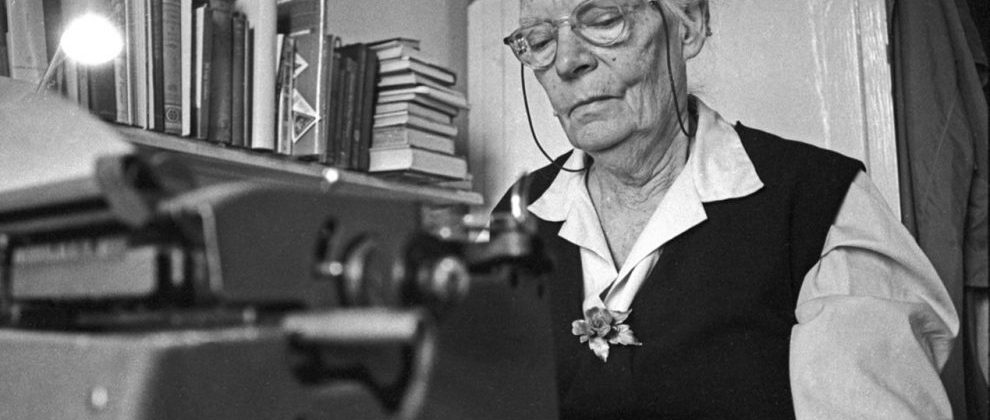
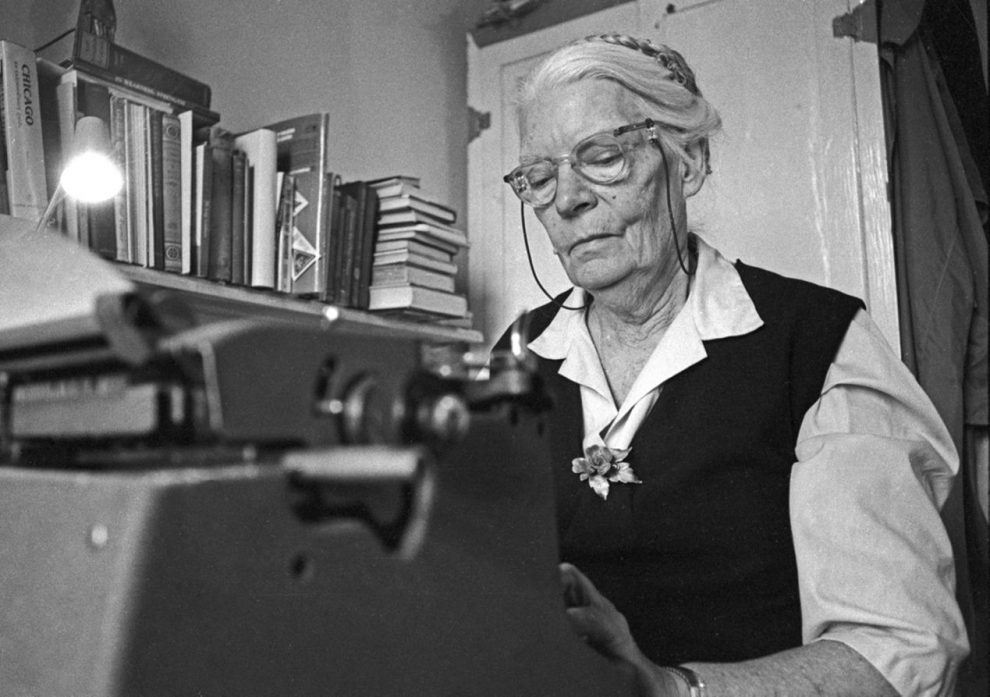
Like Dorothy Day. She had founded the Catholic Worker movement in 1933. She lived a life of voluntary poverty serving the poor in one of the roughest areas of New York City. A pacifist and anarchist, she got herself regularly arrested protesting injustices.
In a public debate about Catholics in public life, Buckley went out of his way to take a shot at Day. He first spoke of “the grotesqueries that go into making up the Catholic Worker movement,” without saying what they were. I literally can’t imagine what they would be, even from his point of view. People sharing a home, serving meals to the poor and helping them in other ways? Grotesque?
She described in her diary the way Catholic anarchists should live, and from nearly universal testimony she lived this way. They should try to be “so far from dominating others or wanting to influence others as to (1) not judge … (2) to serve all men, to obey all men, to wash the feet of all men, in love, recognizing our common humanity.” (The diaries have been published as “The Duty of Delight.”) That’s grotesque?
Day practiced what she preached, and to an extent that shames most of us. She could have been wrong about everything and still deserved admiration for her life. Buckley should have seen that.
He then spoke of Day herself and “the slovenly, reckless, intellectually chaotic, anti-Catholic doctrines of this good-hearted woman. … Miss Day is off to the left almost out of sight.” He did not say what these “anti-Catholic doctrines” were, and again I literally can’t imagine what they could be. She was a by-the-book orthodox Catholic, and more one than he was.
She showed much greater respect for the pope than he did. As far as I can find, she never questioned a single line from any of the popes’ statements. Buckley, on the other hand, did that when the pope didn’t speak like an American conservative. The very next year he published a dismissal of Pope John XXIII’s major statement “Peace on Earth,” with the flippant response, “Madre si, magister no” (mother yes, teacher no).
Read the entire piece here.